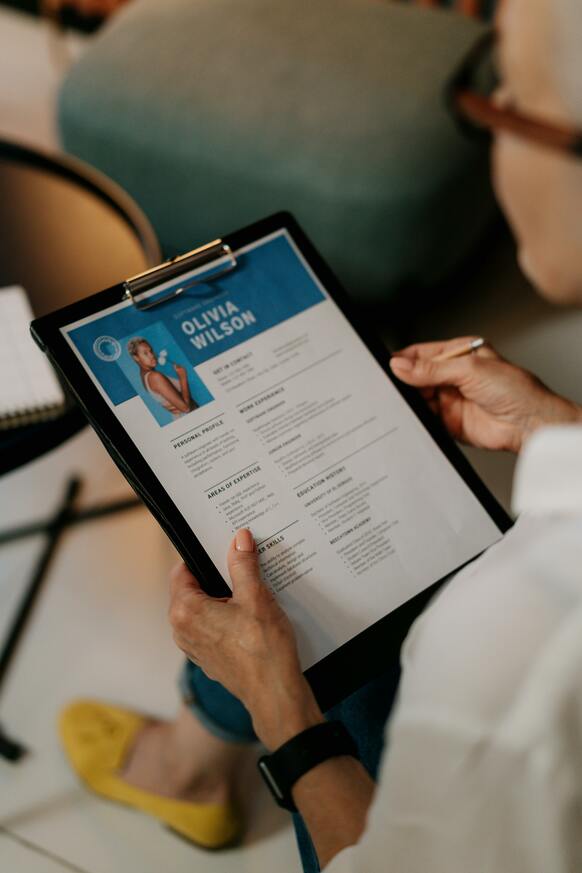
How to Create the Ideal Resume for a Job in Germany
How to Create the Ideal Resume for a Job in Germany
A resume (CV or Lebenslauf) for a job in Germany differs from other European resumes in several aspects. Read below to learn how to create a resume that meets German standards.
1. Structure and Format
In Germany, a resume is usually concise and follows a specific structure. It is important to keep it clear, organized, and easy to read. Follow these sections:
Personal Information (Persönliche Daten):
- Full name
- Residential address
- Contact phone number
- Date of birth (optional)
- Nationality (optional)
- Marital status (optional)
- Photo (optional): Although a photo is not mandatory in many countries, in Germany, it is common to include a professional photo in your resume.
Work Experience (Berufserfahrung):
- List your job positions, starting with the most recent.
- Briefly describe your responsibilities and achievements in each role.
- Include the job title, company name, and employment period.
Education (Ausbildung):
- List your education, starting with the most recent.
- Include the degree obtained, institution name, and period of study.
- Mention distinctions or scholarships if applicable.
Professional Training and Certifications (Weiterbildung und Zertifikate):
- List any relevant seminars, training programs, or certifications.
- Include the certification name and the issuing organization.
Languages (Sprachkenntnisse):
- Indicate the languages you speak and your proficiency level.
- In Germany, it is essential to use the Common European Framework of Reference for Languages (CEFR) (e.g., A1-C2).
Technical Skills (IT-Kenntnisse):
- Mention software, tools, or technologies you are proficient in.
- Include your skill level for each tool (e.g., advanced, intermediate, beginner).
Volunteering and Additional Activities (Ehrenamtliches Engagement und Sonstige Aktivitäten):
- Highlight any volunteer work or organizational involvement that strengthens your profile.
Hobbies and Interests (Hobbys und Interessen):
- Hobbies and interests add a personal touch to your resume but should not be overemphasized.
Signature (optional):
- In some cases, adding your signature at the end of your resume may be required.
2. Language and Style
- Concise and clear: Use short, precise sentences. The language should be professional and neutral.
- Time periods: Work and education periods should be accurate, with no gaps.
- Standard formatting: Use MM/YYYY format for dates.
3. Supporting Documents (Bewerbungsunterlagen)
In many cases, in addition to your resume, you will need to submit additional documents:
- Cover Letter (Anschreiben): This is essential to explain why you are interested in the specific position and what makes you a suitable candidate.
- Copies of Degrees and Certificates (Zeugnisse): Unlike in other countries, in Germany, it is customary to attach copies of degrees, certificates, and reference letters to the application.
4. Tips for the German Work Environment
- Clarity: German employers appreciate accuracy and clarity. Be honest and precise about your qualifications.
- Standardization: Follow traditional resume formats.
- Job relevance: Focus on skills and experiences directly related to the job you are applying for.
Creating a resume for a job in Germany requires attention to detail, clarity, and a structured format. By following these guidelines, you will have a strong resume that leaves a positive impression on German employers.
For further assistance, contact us at +49 30 314 88 468, and a career & professional orientation consultant will guide you to stand out and increase your chances of success in the German job market.